Pros and Cons of Iceland's Golden Circle: Your Honest Guide
Iceland's Golden Circle is more than just a route; it's an iconic journey through some of the country's most breathtaking natural wonders and historical sites. For many first-time visitors to Iceland, it's a non-negotiable addition to their itinerary. Yet, as with any wildly popular tourist destination, it comes with its own set of considerations. If you're weighing the pros and cons of visiting the Golden Circle in Iceland, you're not alone. The decision to dedicate precious vacation time to a heavily touristed area can be daunting, but with the right expectations and planning, it can absolutely be a highlight. This honest guide aims to help you decide if the Golden Circle is right for you, breaking down what makes it so appealing and addressing the potential downsides that travelers often encounter.What is the Golden Circle?
The Golden Circle is a roughly 300-kilometer (186-mile) loop from Reykjavik into the southern uplands of Iceland and back. It encompasses three primary attractions, often referred to as 'The Big Three,' alongside several other worthwhile stops that showcase Iceland's unique geology, history, and geothermal activity. It's perfectly situated for a day trip from the capital, making it incredibly accessible for those with limited time.
- Thingvellir National Park (Þingvellir): A UNESCO World Heritage site of immense historical and geological importance. It's where the Althing, Iceland's parliament, was established in 930 AD, making it one of the oldest parliamentary sites in the world. Geologically, it sits directly on the divergent tectonic plate boundary between the North American and Eurasian plates, offering dramatic rift valleys and fissures.
- The Geysir Geothermal Area: Home to the original 'Geysir' (from which all other geysers get their name) and its more active counterpart, Strokkur. Strokkur erupts every 5-10 minutes, shooting a column of hot water up to 20 meters (65 feet) high, offering a reliable and spectacular display of geothermal power.
- Gullfoss Waterfall: Meaning 'Golden Falls,' this magnificent two-tiered waterfall plunges 32 meters (105 feet) into a rugged canyon. On a sunny day, rainbows frequently dance in the mist above the powerful glacial water, creating a truly magical scene.
Beyond these main attractions, many tours and self-drive itineraries also include:
- Kerið Crater: A striking volcanic crater lake with vibrant blue-green water surrounded by red volcanic rock.
- Secret Lagoon (Gamla Laugin): A natural hot spring offering a more authentic and less commercialized bathing experience than the Blue Lagoon.
- Friðheimar Tomato Farm: A unique stop where you can learn about Icelandic greenhouse farming and even enjoy a delicious tomato-themed meal.
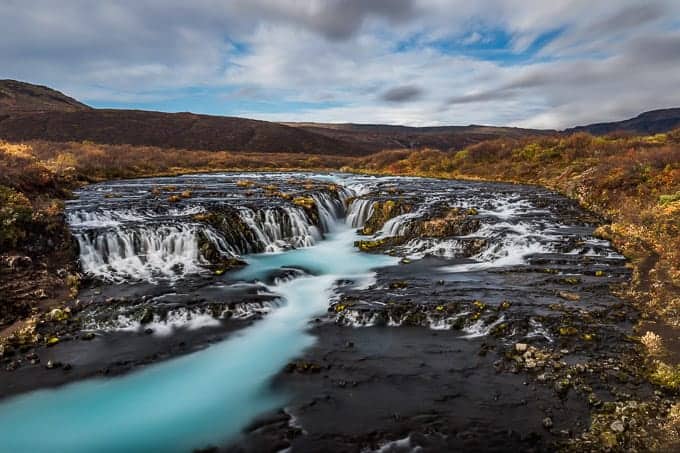
- Brúarfoss Waterfall: While not officially part of the 'Big Three,' this stunning, lesser-known waterfall has gained significant popularity thanks to its incredibly vivid blue glacial water. However, as some travelers discover, getting to it can be an adventure in itself, often involving muddy trails and a determined search for its elusive beauty.
The Golden Circle: Why It's a Must-See (The Pros)
Despite any potential drawbacks, the overwhelming consensus among travelers is that the Golden Circle is absolutely worth a visit. Its popularity isn't accidental; it’s a direct result of its unparalleled convenience and the sheer spectacle it offers.
- Unmatched Accessibility and Convenience: Arguably the biggest draw, the Golden Circle is incredibly easy to access from Reykjavik. Whether you choose a guided tour or a self-drive adventure, the route is well-paved and clearly signposted. This means even those with limited time in Iceland can experience some of its most iconic natural wonders without extensive travel. There's ample parking at all major sites, making self-driving a breeze. For those who prefer to relax, a wide array of tour companies offer comfortable bus excursions, often with knowledgeable guides adding valuable context.
- Concentrated Natural Wonders: Within a relatively small area, you can witness an astonishing diversity of Icelandic landscapes. From the geological marvels of Thingvellir, where you literally stand between continents, to the explosive power of Strokkur, and the majestic roar of Gullfoss, the Golden Circle packs an incredible punch. It's an excellent primer for Iceland's natural beauty, showcasing volcanoes, geothermal activity, and powerful waterfalls all in one day.
- Historical and Cultural Significance: Thingvellir National Park isn't just visually stunning; it's a deeply significant historical site. Walking through the Almannagjá gorge, you can almost feel the echoes of ancient Viking chieftains debating laws. This blend of natural wonder and human history adds a profound layer to the experience.
- Variety of Experiences Beyond the Main Sights: The Golden Circle offers more than just sightseeing. Many tours incorporate additional activities like horseback riding, snowmobiling on Langjökull glacier (often combined with an ice cave visit), or relaxing in natural hot springs like the Secret Lagoon. This allows for a customizable experience that caters to different interests and activity levels.
- Spectacular Photo Opportunities: Every stop along the Golden Circle presents postcard-perfect scenes. The ethereal blue waters of Brúarfoss, the dramatic fissures of Thingvellir, the towering spray of Strokkur, and the powerful cascade of Gullfoss all offer incredible backdrops for photography, ensuring you'll leave with stunning memories.
Navigating the Downsides: Challenges of the Golden Circle (The Cons)
While the Golden Circle's pros are compelling, it's crucial to approach it with realistic expectations, especially concerning its immense popularity. Understanding these potential downsides can help you plan a more enjoyable trip.
- The Crowds: A Major Detractor: This is, without a doubt, the most frequently cited downside. The Golden Circle is incredibly popular, and during peak season (summer) and even shoulder seasons, the main attractions can feel overwhelmingly crowded. Tour buses arrive in waves, depositing hundreds of visitors at a time. This can diminish the sense of wild, untamed nature that many seek in Iceland, making it challenging to find moments of quiet reflection or get an unobstructed view, let alone a photograph, without other people in the frame. If you're someone who prefers solitude and off-the-beaten-path experiences, the crowds here might be genuinely frustrating.
- A Sense of "Touristy" Commercialization: With crowds come commercial operations. Expect large visitor centers, extensive gift shops, and busy restaurants at the main sites. While convenient, this can detract from the feeling of rugged exploration, making some stops feel a little less authentic or "wild" than other parts of Iceland.
- Potential for a Rushed Experience: While manageable as a day trip, trying to hit all the major stops plus a few extras can feel rushed. The reference context highlighted this feeling, where getting lost and waiting around for specific shots at Brúarfoss consumed a significant chunk of the day. It's easy to feel pressured to move from one site to the next, leaving little time to truly soak in the atmosphere. This can lead to a sense of "kind of regretting" the day, not because the sights aren't beautiful, but because the pace makes it tough to fully appreciate them.
- Specific Site Challenges (e.g., Brúarfoss): While breathtaking, some less developed or newly popular sites can present their own challenges. As highlighted in the reference, Brúarfoss, with its stunning blue water, has historically been notoriously difficult to find due to vague directions and underdeveloped trails (though improvements are ongoing). Furthermore, the reference shared a frustrating experience of a single photographer monopolizing the best vantage point for over an hour, leaving dozens of others waiting impatiently. This illustrates how even individual actions can significantly impact the experience, especially at popular, smaller sites. Muddy trails, limited viewing platforms, and the need for patience are all factors to consider.
- Perceived Lack of "Wildness": For travelers specifically seeking Iceland's raw, untouched landscapes, the Golden Circle might feel a bit too polished or managed. While undeniably beautiful, the ease of access and infrastructure might contrast with the more remote, less-visited corners of the country. If your primary goal is to escape civilization, you might find the Golden Circle's popularity a mild disappointment. For those asking Golden Circle Iceland: Is It Worth the Crowds and Hassle?, this point is often central to their concern.
Making the Most of Your Golden Circle Experience: Practical Tips
Understanding the challenges doesn't mean you should skip the Golden Circle. Instead, it empowers you to plan smarter. Here are some practical tips to maximize your enjoyment:
- Go Early or Late: To escape the thickest crowds, aim to start your Golden Circle tour very early in the morning (before 8 AM) or later in the afternoon (after 3 PM). You'll often have a more peaceful experience at the main attractions, especially Thingvellir and Gullfoss.
- Travel in the Off-Season: If your travel dates are flexible, consider visiting outside of June, July, and August. Spring (April-May) and autumn (September-October) offer fewer crowds, often pleasant weather, and unique lighting for photography. Winter also provides a magical, snowy landscape, though daylight hours are limited.
- Self-Drive for Flexibility: While tours are convenient, renting a car gives you the freedom to set your own pace, linger at favorite spots, and deviate to lesser-known attractions. It allows you to avoid the bus schedules and potentially hit popular spots when tours are less concentrated.
- Factor in Extra Time: Don't try to cram too much into one day. Allow extra time for getting lost, navigating crowds, finding parking, or simply soaking in a view. Rushing will only amplify the negative aspects.
- Be Prepared for All Weather: Icelandic weather is famously unpredictable. Bring layers, waterproof outer shells, and sturdy, waterproof hiking shoes, especially if you plan to visit sites like Brúarfoss, where trails can be muddy.
- Manage Your Expectations: Understand that the Golden Circle is popular for a reason, and you likely won't have the sites to yourself. Embrace the energy, focus on the incredible natural beauty, and be patient with fellow travelers. Knowing this beforehand can significantly improve your outlook.
- Explore Beyond the 'Big Three': Integrate some of the lesser-known stops mentioned earlier, or even discover a hidden gem along the way. These less-trafficked spots can offer a welcome respite from the crowds and provide a more intimate experience with Iceland's nature. For more detailed strategies on planning, refer to Visiting Iceland's Golden Circle: Maximize Your Day, Avoid Regrets.
Conclusion
So, what's the verdict on the pros and cons of visiting the Golden Circle in Iceland? Ultimately, it's a resounding "yes," with a crucial caveat: go with an informed perspective and a plan. The Golden Circle offers an unparalleled introduction to Iceland's geological wonders, rich history, and stunning landscapes, all within easy reach of Reykjavik. While the crowds and occasional frustrations are real, they are often outweighed by the sheer majesty of the sights. By managing your expectations, planning your timing strategically, and perhaps venturing slightly off the most beaten path, you can transform a potentially overwhelming day into an unforgettable adventure. Don't let the crowds deter you entirely; with a little foresight, the Golden Circle can undoubtedly be a highlight of your Icelandic journey.
